
Views: 8 Author: Jiayuan Publish Time: 2023-10-15 Origin: Jiayuan
How are the four components of paint and coatings subdivided, you will all understand after reading !
Paint and coating as an important component of industrial development and construction, in the field of corrosion prevention and decoration has an irreplaceable role, but with the intensification of industrial pollution, corrosion is becoming increasingly serious, the corrosion protection requirements of the paint is more stringent, so-called good raw materials to produce good paint, what ingredients is paint composed of ?
The composition of the coating mainly includes four parts, resin, pigment filler, solvent and additives, each part plays an important role in the coating.
Coating Resins
Resin is the basis of coating, it plays a decisive role in the nature of coating, as the main film forming material including natural resin and synthetic resin two types.
Coating resins can be further subdivided, including a variety of types, such as rosin resin, alkyd resin, phenolic resin, amino resin, polyester resin, acrylic resin, epoxy resin, polyurethane resin, silicone resin, fluorocarbon resin, nitrocellulose, rubber resin and so on.
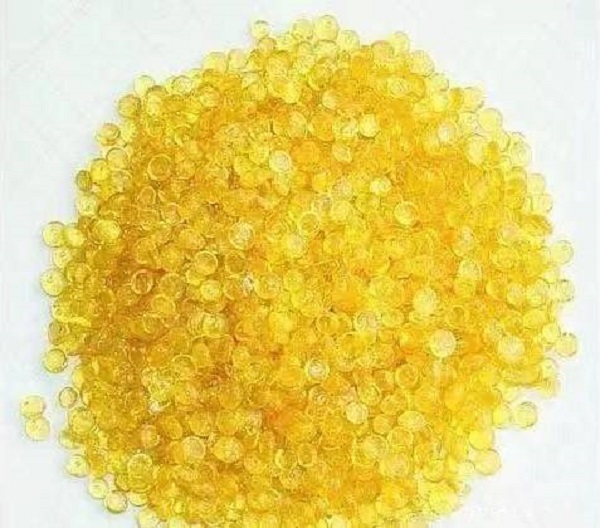
In addition, the original resin can also be modified, through the chemical action of other resins or a variety of resins, to change the characteristics of the resin, make up for its own defects, improve the chemical characteristics.
Pigments and fillers
The fillers mainly include coloring pigments, anti-rust pigments and physical pigments, which respectively play the role of appearance decoration, anti-rust protection and improving the durability of hiding power.
Coloring pigments mainly include:
White pigment: titanium dioxide, zinc barium white, zinc white
Yellow pigment: lead chrome yellow, iron oxide yellow, cadmium yellow
Green pigment: Chrome oxide green, chrome green
Blue pigment: iron blue, ultramarine
Red pigment: iron red, cadmium red, molybdenum chromium red
Black pigment: carbon black, iron black
Metal pigment: aluminum powder, copper powder
Extender pigment
The function of extender pigments is to reduce costs; Increase the volume proportion of filler; Light varieties have good suspension force, which can prevent heavy pigment precipitation; The fine texture can improve the leveling, polishing and brushing properties of the film. The mechanical strength of the film can be improved in high pigment content primers and putty.

Its varieties mainly include calcium carbonate, barium sulfate, talc powder, kaolin, mica powder, silica and so on.
Rust resisting pigment
The main function of anti-rust pigment is to prevent metal corrosion and improve the protective effect of paint film on metal surface. The role of anti-rust pigments can be divided into two categories: physical anti-rust and chemical anti-rust, of which chemical anti-rust pigments can be divided into corrosion inhibition and electrochemical action type.
The main species include iron oxide red, aluminum powder, glass flake, zinc powder, red lead, zinc chromium yellow, zinc phosphate and so on.
Paint solvent
Solvent is some volatile liquid, can dissolve and dilute resin or oil, use it to change its viscosity for construction, it accounts for a large proportion in the paint, but after the paint filmed, all volatilized into the air.
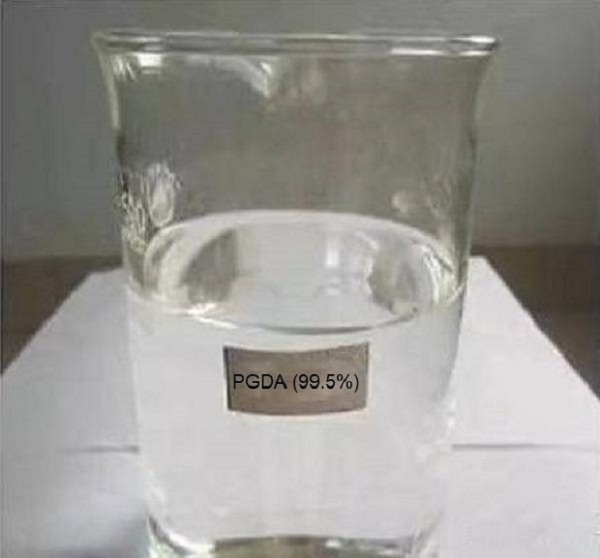
There are many types of solvents, but you need to pay attention when using solvents:
Ethyl acetate is flammable and can cause combustion in contact with an oxidizing agent.
Ethanol is flammable and reacts strongly with oxidants
Toluene is toxic, can burn in open fire, high temperature, easy to produce and accumulate static electricity
Trichloroethylene has a certain corrosion effect on aluminum and magnesium alloy, with little toxicity and strong decontamination ability.
Butyl acetate has low toxicity, lower solubility than ethyl acetate, and medium volatilization rate.
N-butanol smells bad, has a certain toxicity, and can cause combustion in contact with oxidants.
Ethanol monobutyl ether volatilizes slowly, which can prevent the paint film from whitening and crusting.
Dichloroethane is not flammable, and the vapor is very toxic to human body.
Xylene is toxic, can burn in open fire, high temperature, easy to produce and accumulate static electricity.
Acetone is flammable, evaporates very quickly, is extremely cold to the touch, and is toxic.
Cyclohexanone may burn in the presence of open flame, high temperature and oxidant.
Rosin water has fire risk when exposed to open flame, high temperature, oxidizing agent, and will immediately fire exposed to nitric acid
Coating additives
Assistant agent, also known as additives, play different roles in the production, storage, construction and film formation stage of the coating, and have a great impact on the quality of the coating and film performance.
According to the use of various additives can be divided into: improver, anti-adhesion agent, anti-shrinkage agent, anti-flaking agent, anti-floating color agent, anti-foam agent, film forming agent, anti-gelling agent, viscosity stabilizer, antioxidant, anti-crusting agent, anti-settling agent, anti-static agent, conductive control -agent, anti-mold agent, preservative, corrosion inhibitor, anti-rust agent, dispersant, wetting agent, drying agent, flame retardant, flow control agent, Hammer additives, drying agents, matting agents, light stabilizers, photosensitizers, optical brighteners, plasticizers, slip enhancers, anti-scratch agents, thickeners, thixotropic agents, emulsifiers and other additives.
Coating additives can also be divided into oil-based coating additives and water-based coating additives, but with the improvement of people's living standards, modern consumers pay more and more attention to environmental protection and health, so more and more people begin to pay attention to the water-based coating market.


